
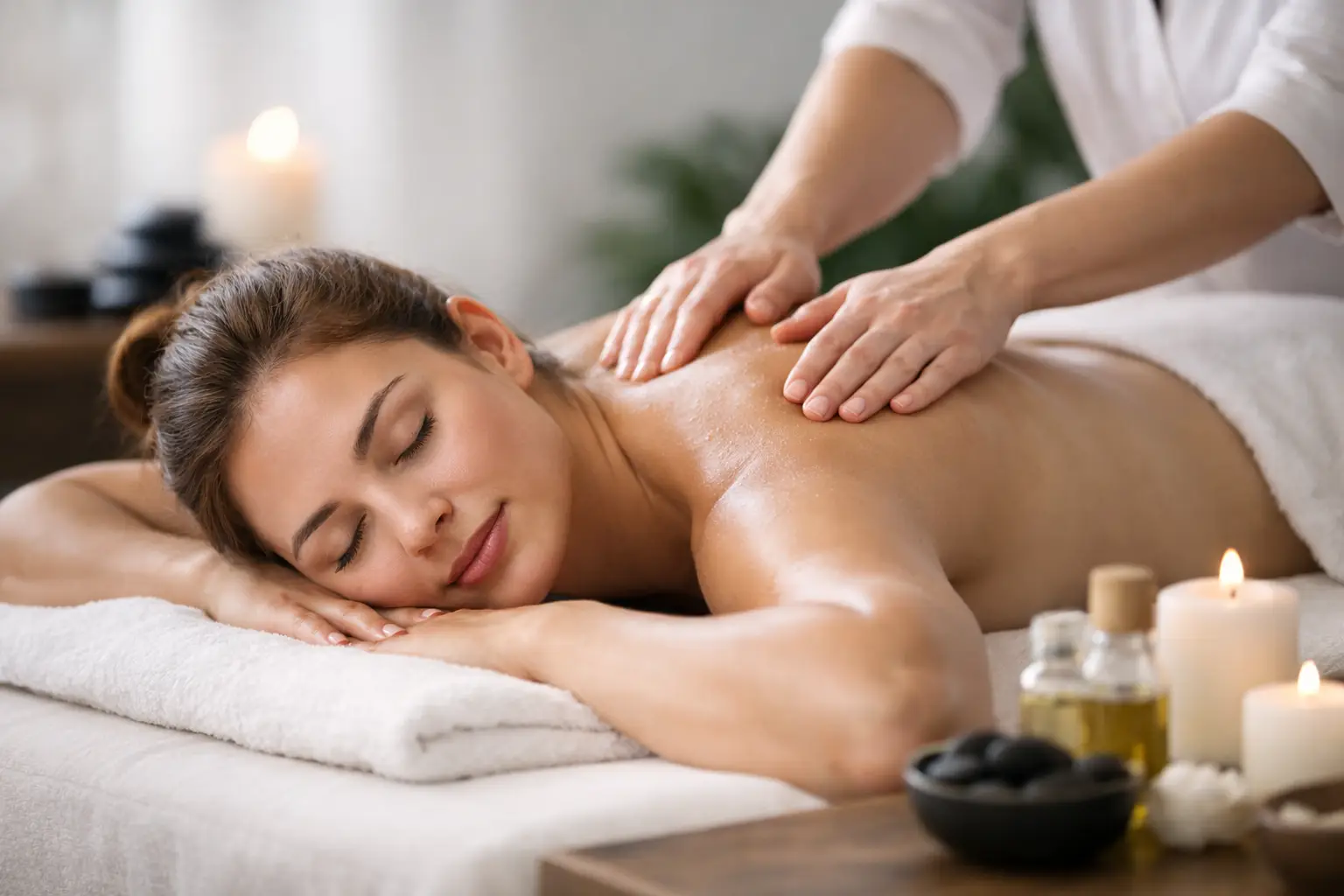
Some stress sits quietly in the background. Some of it settles into your shoulders, tightens your jaw, shortens your breath, and follows you into bed at night. If you have ever wondered, is massage good for stress, the short answer is yes – but the better answer is that the right massage, at the right time, can ease both the mental weight and the physical strain stress leaves behind.
That matters more than most people realize. Stress is not only a feeling. It often shows up as muscle tension, headaches, fatigue, irritability, restless sleep, and that constant sense of being switched on. A well-delivered massage gives the body a chance to step out of that pattern. It can slow you down, soften tight tissues, and create a genuine sense of relief that feels immediate as well as lasting.
Is massage good for stress or just temporary comfort?
Massage is not a cure for every source of stress. It will not erase a demanding job, fix a packed schedule, or solve an emotionally difficult season. What it can do is change how your body responds to those pressures.
When stress builds, the nervous system tends to stay in a heightened state. Heart rate may feel elevated, breathing can become shallow, and muscles often remain subtly braced for hours at a time. Massage helps interrupt that cycle. Through purposeful touch, steady pressure, and a calm setting, the body often shifts into a more restful mode. Many people notice they breathe more deeply during treatment without even trying.
That shift is one reason massage feels more meaningful than a simple moment of pampering. Relaxation is not frivolous when your body has been holding tension for days or weeks. It is a physical reset. For some guests, the result is immediate lightness. For others, it is a quieter change – less neck tightness, fewer stress headaches, improved patience, or a better night’s sleep.
The temporary part is real, of course. One massage may help you feel better for a few hours or a few days. Regular sessions tend to offer more noticeable results because they give the body repeated opportunities to release tension before it becomes deeply ingrained.
How massage helps the body process stress
The connection between stress and muscle tension is direct. Many people clench their shoulders, upper back, hands, or jaw without noticing it. Over time, that pattern can create soreness, stiffness, and a heavy sense of fatigue. Massage works on those areas physically, improving circulation and easing muscular tightness, which often reduces the discomfort that stress creates.
There is also the sensory side of treatment. A quiet room, a comfortable massage table, warm hands, gentle oils, and a therapist who works with control and intention all signal safety to the body. That sense of comfort has value. It helps many people stop bracing for the next demand and start settling into the present moment.
Sleep is another part of the equation. Stress and poor sleep often feed each other. You feel tense, so you sleep lightly. Then you wake up depleted and less able to handle pressure. Massage can help interrupt that loop by promoting a calmer state before bedtime and easing the physical restlessness that keeps people awake.
This is also why many busy professionals and frequent travelers seek massage not just when they are in pain, but when they feel overstimulated, mentally crowded, or emotionally worn thin. The body often asks for relief before the mind fully admits it.
Which massage is best for stress relief?
Not every massage style feels the same, and stress relief is not one-size-fits-all. The best option depends on how your stress shows up in your body.
Swedish massage for full-body relaxation
If your main goal is to calm down, switch off, and feel deeply relaxed, Swedish massage is often the most natural place to start. It uses flowing strokes, moderate pressure, and a soothing rhythm that encourages the whole body to let go. For first-time spa guests or anyone feeling emotionally drained, it is often the most comforting choice.
Aromatherapy massage for a more sensory experience
When stress feels mental as much as physical, aromatherapy massage can be especially effective. The addition of essential oils creates a more immersive treatment, which many guests find deeply settling. This style suits people who want relaxation with a more elevated, restorative feel.
Deep tissue massage for stress held in the muscles
Some people do not feel “stressed” in a soft, floaty way. They feel knotted, compressed, and physically rigid. In those cases, deep tissue massage may help more than a gentler approach. It works more deliberately into stubborn tension, especially in the neck, shoulders, and back. That said, deeper pressure is not always the most relaxing in the moment, so it depends on whether you want soothing relief, structural release, or both.
Reflexology and targeted treatments
For guests who feel stress as fatigue, headaches, or overall overstimulation, reflexology or focused treatments can also be effective. A shorter treatment can still create a meaningful shift, especially when time is limited but the need for reset is real.
Is massage good for stress if you are always busy?
Yes, and in some ways, busy people benefit the most. The challenge is that they are also the ones most likely to postpone it.
When your schedule is packed, stress management often becomes reactive. You wait until your body hurts, your patience disappears, or your sleep gets worse. Massage works better as part of a rhythm of care rather than a last resort. Even occasional sessions can help you recover faster and maintain more balance during demanding periods.
This is where environment matters. A premium spa experience is not only about luxury for its own sake. It removes friction. Privacy, skilled therapists, thoughtful treatment planning, and a calm setting make it easier to fully release tension rather than spend half the session trying to unwind enough to enjoy it. In a refined space like Allora Spa, that sense of comfort becomes part of the therapeutic effect.
For couples, massage can also become a shared way to decompress. Instead of pushing through exhaustion separately, a couples treatment creates a space to pause together. That can feel especially valuable after travel, long workweeks, or emotionally demanding stretches of life.
What massage can and cannot do for stress
Massage is highly supportive, but it helps to keep expectations clear. It can reduce physical tension, encourage calm, improve comfort, and support better rest. It can help you feel more grounded in your body and less consumed by accumulated pressure.
What it cannot do is replace medical care, mental health support, or meaningful lifestyle changes when those are needed. If stress is severe, constant, or affecting your health in a major way, massage should be part of the support system, not the entire plan.
That is not a limitation so much as a reminder. The most effective wellness routines are layered. Massage works beautifully alongside better sleep habits, movement, hydration, breathwork, and professional care when necessary.
How often should you get massage for stress?
There is no single answer. If stress is occasional, a massage once in a while may be enough to restore your sense of ease. If tension is constant, more regular sessions usually make a visible difference.
Many people find that a monthly massage helps them stay ahead of stress rather than chase recovery after it peaks. During especially intense periods, more frequent treatments can be worthwhile. The key is consistency. The body responds well when relaxation is practiced, not postponed until burnout.
It also helps to choose a treatment that matches your current state rather than what sounds impressive. If you are exhausted and overstimulated, a nurturing full-body massage may do more for you than an intense treatment. If you are carrying thick, painful tension, more targeted work may be the better fit.
A good therapist will adjust pressure, pace, and focus areas to meet you where you are. That personalized approach often makes the difference between a massage that feels pleasant and one that feels genuinely restorative.
Stress has a way of convincing people to keep going a little longer, push a little harder, and rest later. Usually, later comes after the tension has already taken hold. Massage offers a different choice – one that brings the body back to calm, gives the mind space to quiet down, and reminds you what it feels like to feel at ease again.

0 Comments