Stress has a way of settling into the body before you fully notice it. It shows up in tight shoulders during a meeting, a clenched jaw on the drive home, restless sleep in a beautiful hotel room, or the heavy feeling that follows a week with no real pause. That is exactly why the best spa treatments for stress are not simply indulgences. When chosen well, they become a practical reset for both body and mind.
Not every treatment relaxes people in the same way, and that is where many spa menus can feel overwhelming. Some guests need quiet, nervous-system support. Others need physical relief from muscle tension that has built up over months. Some want a treatment that softens the face, scalp, and shoulders because stress is showing up there first. The best choice depends on how stress is affecting you right now.
What makes the best spa treatments for stress effective?
A stress-relief treatment works best when it addresses more than one layer of tension. Physical pressure can release tight muscles, but the setting matters too. A calm room, a skilled therapist, quality oils, and enough time to settle into the experience all shape the result. If a treatment feels rushed or too intense, it may not give your system the reset you were hoping for.
The most effective spa treatments usually do one of three things. They calm the nervous system, improve circulation and soften muscular holding patterns, or create a feeling of mental quiet through heat, scent, touch, and rhythm. Some of the strongest options do all three at once.
Best spa treatments for stress and how they help
Swedish massage for full-body calming
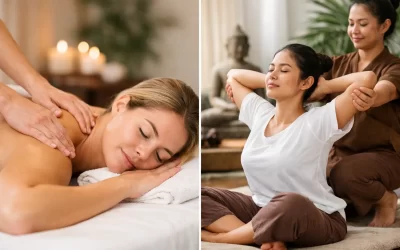
If your stress feels general rather than sharply painful, Swedish massage is often the right place to begin. Long, flowing strokes, light to medium pressure, and steady rhythm help the body shift out of its alert state. This treatment is ideal for guests who feel mentally overloaded, physically tired, or new to massage.
What makes Swedish massage especially effective is its gentleness. It does not demand that the body endure discomfort to feel better afterward. Instead, it encourages release in a way that feels safe and restorative. For many people, this is the treatment that helps them breathe more deeply by the first 15 minutes.
That said, if your stress is showing up as deep knots in the shoulders or lower back, Swedish massage may feel soothing without fully addressing the root of the tension. In that case, a stronger modality may be the better fit.
Deep tissue massage for built-up tension
Stress is not always emotional in the obvious sense. It can become physical patterning – raised shoulders, a stiff neck, lower back tightness, and aching legs after long workdays or travel. Deep tissue massage is designed for that kind of accumulated strain.
Using slower strokes and firmer pressure, this treatment targets deeper muscle layers and areas that have been holding tension for a long time. It can be especially helpful for urban professionals, frequent travelers, and anyone whose stress has turned into chronic discomfort.
There is a trade-off, though. Deep tissue is therapeutic, but it is not always the most immediately tranquil experience. If you are already feeling overstimulated, exhausted, or emotionally worn down, too much pressure can feel like work instead of relief. A skilled therapist can adjust intensity, which is why personalization matters.
Aromatherapy massage for mind-body ease
When stress has a strong emotional component – racing thoughts, poor sleep, irritability, or that wired-but-tired feeling – aromatherapy massage can be especially effective. This treatment pairs massage techniques with essential oils selected for their calming or grounding qualities.
The benefit here is not only in the massage itself, but in how scent influences the overall experience. Lavender, chamomile, eucalyptus, or citrus blends can change the mood of a treatment room and help create a sense of mental distance from the day. For guests who struggle to switch off, that extra sensory layer can make a meaningful difference.
Aromatherapy massage is often a smart choice when you want a treatment that feels luxurious and emotionally comforting without being too intense. It is less about working through every knot and more about creating a complete atmosphere of relief.
Thai massage for energy reset
Some people do not respond best to a quiet, oil-based massage. They leave relaxed for an hour, then quickly return to feeling compressed and heavy. Thai massage can be a better option for stress that feels stagnant in the body.
This treatment uses assisted stretching, pressure work, and movement to improve flexibility and release stored tension. It can leave you feeling lighter, more open, and physically rebalanced. If stress has made your body feel stiff, compressed, or sluggish, Thai massage often brings a different kind of relief than traditional massage styles.
It is worth knowing that Thai massage is usually more active than people expect. It is deeply beneficial, but not always the best first choice if what you want is to melt into a bed and drift. For some guests, it is invigorating. For others, a gentler massage delivers the calm they are actually seeking.
Reflexology for focused relaxation
Reflexology is often underestimated because it is less dramatic than a full-body massage. Yet for many stressed guests, it is one of the most calming treatments on the menu. By applying pressure to specific points on the feet, and sometimes the hands, reflexology promotes a deep sense of release without requiring full-body pressure.
This is an excellent choice if you feel mentally overextended but physically sensitive, or if you simply do not want a longer massage. It can also work well as part of a broader spa day, especially when paired with a facial or body treatment.
Reflexology will not replace deep muscular work if your shoulders and back are severely tight. But for nervous-system support and gentle restoration, it can be remarkably effective.
Moroccan bath for emotional and physical reset
Stress does not always need more pressure. Sometimes it calls for cleansing, warmth, and the feeling of shedding heaviness. A Moroccan bath offers exactly that. Through steam, cleansing rituals, exfoliation, and purification, this treatment creates a powerful sense of renewal.
For many guests, the appeal is both physical and emotional. The warmth helps relax the body, exfoliation leaves the skin refreshed, and the ritual itself creates a rare feeling of being fully cared for. After a demanding week, a Moroccan bath can feel like a complete reset rather than a single service.
This treatment is especially appealing if stress has left you feeling dull, tired, or disconnected from your body. It is less targeted than massage, but highly effective when what you need is restoration from the outside in.
Facials for stress that shows on the face
Stress often announces itself on the skin before you say it out loud. Tension can contribute to dullness, dehydration, breakouts, and a generally tired appearance. A facial may not be the first treatment people think of for stress relief, but it can be one of the most satisfying.
A well-delivered facial combines cleansing, massage, hydration, and stillness. The focus on the face, scalp, neck, and shoulders can be profoundly calming, especially for guests carrying tension in the jaw or forehead. There is also the visible benefit. Looking more rested can help you feel more like yourself again.
If your primary concern is muscular pain, a facial should not be your only treatment. But if your stress has been affecting sleep, skin quality, and facial tension, it can be the perfect part of a more complete wellness plan.
Spa packages for the most complete relief
Sometimes one treatment is enough. Sometimes it is not. If your stress is layered – mental fatigue, body tension, travel exhaustion, poor sleep, and neglected self-care – a package often provides the best value and the best result.
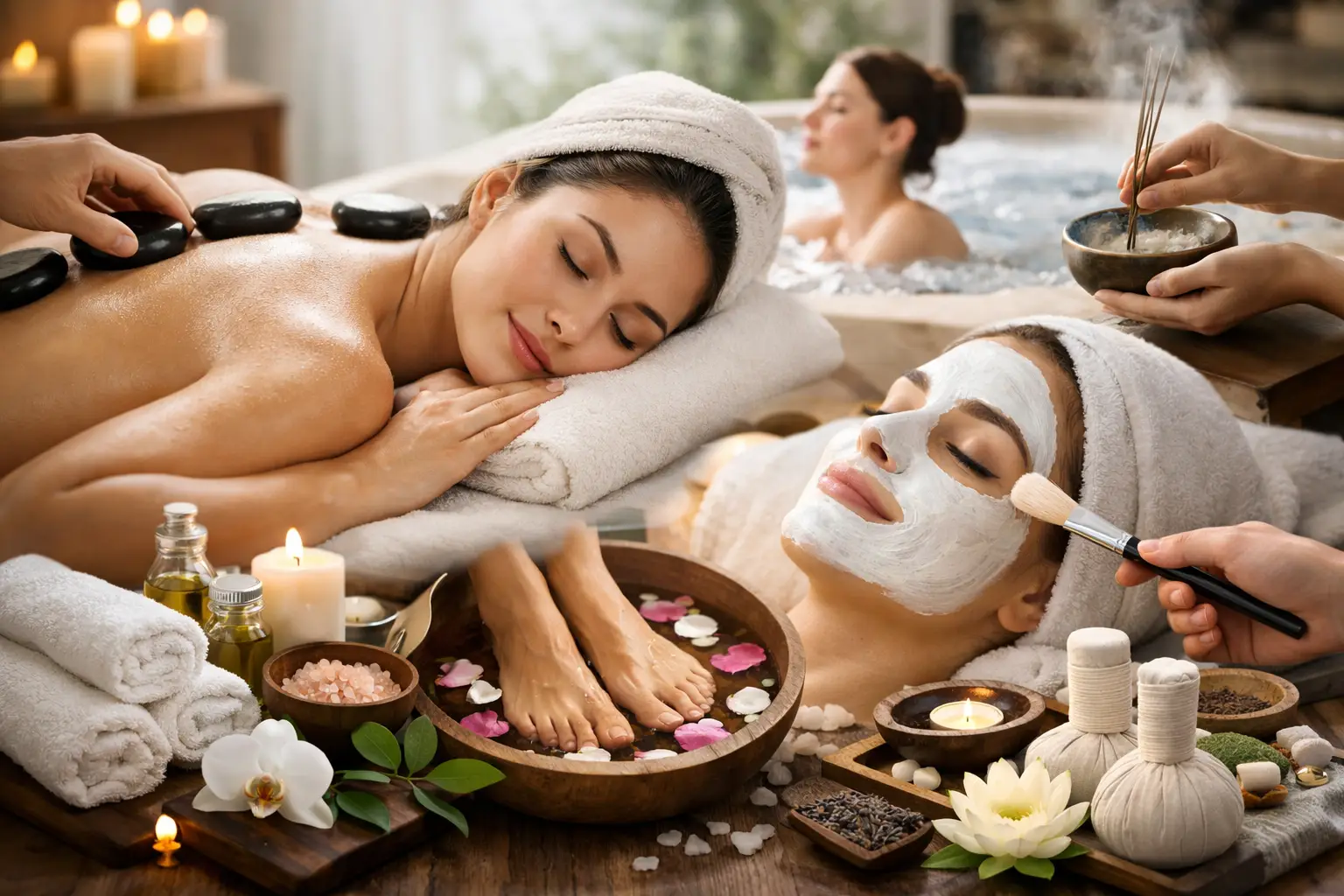
Combining treatments such as massage, facial care, and a body ritual allows the body to unwind in stages. A massage may release tension, a facial can restore visible freshness, and a bath or scrub can add that final feeling of renewal. For couples, shared spa experiences can be especially meaningful when stress is affecting quality time as well as personal well-being.
This is where a premium spa experience stands apart. Personalized combinations, certified therapists, and a quiet luxury setting make the treatment feel intentional rather than transactional. In a place such as Allora Spa, the goal is not simply to offer a menu of services, but to match each guest with a treatment path that feels restorative from the moment they arrive.
How to choose the right treatment for your stress
If you want the safest all-around option, Swedish massage is usually the strongest starting point. If your stress is sitting in the muscles, deep tissue or Thai massage may be more effective. If you feel emotionally drained and overstimulated, aromatherapy or reflexology can be a better match. If you want a feeling of total refreshment, a Moroccan bath or a curated package often delivers the most noticeable shift.
It also helps to be honest about your capacity. Some guests ask for the strongest treatment possible, assuming more pressure means better results. That is not always true. When the body is already on edge, gentler work can sometimes create a deeper sense of relief.
The best spa treatments for stress are the ones that meet you where you are, not where you think you should be. A thoughtful treatment, delivered with care in a refined setting, can do more than help you relax for an hour. It can remind you what it feels like to be comfortable in your own body again.
If stress has been asking too much of you lately, the right treatment is not a luxury to postpone. It is often the pause that helps everything else feel manageable again.
0 Comments